Introduction: This post will mostly my words on why I feel that Classics have been unreasonably hated on, for some bizarre purpose. Be it old school Superheroes or classic tales of adventure, or paintings, music, anything related to Shakespeare and the Renaissance, old nihilistical stories. There has been a lot of disrespect to certain pieces of media from the past in term to enhance the recent pieces of media. Saying something that the Statue of David doesnt have any impact is quite funny really.
To understand why Classics are important one must understand what makes them appealing. Its just ‘good’. There are many good pieces of media being aired, made, shown even now but the thing which made classics so special is that no matter how much time passed, none has really replaced it. There will never be a Michealangelo drawing the Second Judgement in the Sistine Chapel. There will never be a Stan Lee creating Marvel. There will never be a deaf Beethoven creating Ode To Joy. In this post I will be checking out certain artists and their very best to show the you need to check them out.
CITIZEN KANE AND ORSON WELLES
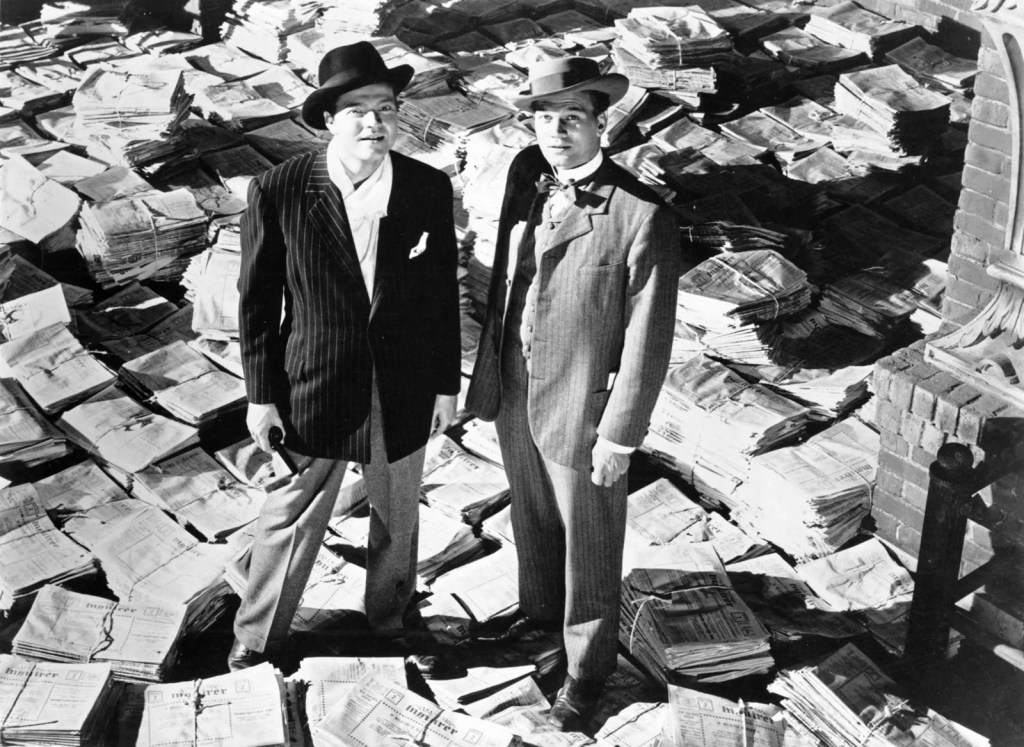
Dubbed the ‘Citizen Kane’ of movies, granted as one of, if not the greatest film of all time and for good reason. Orson Welles and Citizen Kane changed cinema in so many ways it would take 20 slides to explain it in good detail. On a technical level, Citizen Kane is important for the innovative lighting and focusing methods of its cinematographer, Gregg Toland, and the dramatic editing style of Robert Wise. Very loosely based on real life newspaper mogul William Randolph Hearst (who was adamantly against the film), Citizen Kane follows Jerry Thompson, an investigative reporter, as he tries to find the meaning behind mogul Charles Foster Kane’s (played by Orson Welles himself), last word, “rosebud.” Pre-Citizen Kane, most films followed a standard, linear story structure. They followed the protagonists and characters from point A to point B in chronological order. Citizen Kane on the other hand, went a different route. Orson Welles told the story of Charles Foster Kane through multiple point-of-view segments from the people who knew Kane best, refracted through a non-linear narrative. This style of storytelling was a new and unique technique in filmmaking. One that can (and did) paint a near-polished portrait of its Macguffin. One of the other Academy Awards Citizen Kane was nominated for was Best Cinematography, which was no surprise, as cinematographer Gregg Toland created absolutely phenomenal and inventive techniques in the movie. Toland also heavily used deep-focus camera techniques, acquiring special lenses and equipment to do so. Using deep-focus was very uncommon in that era of Hollywood. Even when it looked like there were scenes in the film using deep-focus, there were occasions where Toland teamed up with special effects cinematographer Linwood Dunn, and the two would combine two separate shots into one, to make it look as if it was deep-focus.
SISTINE CHAPEL AND MICHEALANGELO
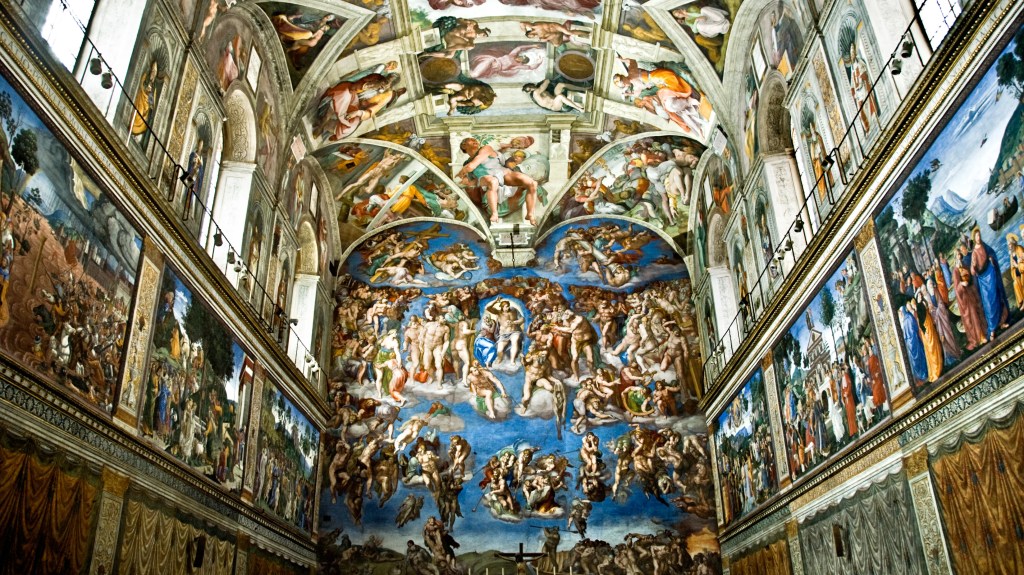
For me, personally this is probably the single greatest andeavour a man has taken in the creative field. This entire immense ‘painting’ was done by a single human being. It is a fresco by him. Fresco is a technique of mural painting executed upon freshly laid (“wet”) lime plaster. It is a depiction of the Second Coming of Christ and the final and eternal judgment by God of all humanity. The dead rise and descend to their fates, as judged by Christ who is surrounded by prominent saints. Altogether there are over 300 figures, with nearly all the males and angels originally shown as nudes. The work took over four years to complete between 1536 and 1541 (preparation of the altar wall began in 1535). Michelangelo began working on it 25 years after having finished the Sistine Chapel ceiling, and was nearly 67 at its completion. Its greatness can only be measured when you look at it when you go there. Which I havent. If any of you actually have it would mean a lot to tell me what it actually is. What makes it special is well.. everything. Nothing to analyse other than just being wowed by it.
MACBETH AND SHAKESPEARE
No need for introductions, Shakespeare was either your bane, if you didn’t like reading or your boon if you loved reading. There is something special when something which was supposed to be a play is now being read an analysed. It would be if the script of Evangelion or Paranoia Agent was given for reading after centuries. Shakespeare tapped into human nature, understood our foibles as well as our greatest strengths and delivered stories that are as relevant today as they were when he wrote them. Language might have changed to the befuddlement of today’s readers, but that underlying nature has not. It is a profound meditation on the nature of good and evil, even more than other plays, and it asks if it is possible for once-good people to be dragged down into evil, and how? Macbeth starts out as a hero but is a villain by the end. Almost importantly, the role of the witch’s prophecies makes Macbeth a brilliant meditation on free will, determinism, and fatalism. When something has being read for centuries, you have no right to call it overrated, cause if it was, it wouldn’t analyzed and read for such a long time.
ODE TO JOY AND BEETHOVEN
If Cinema had Kubrick, if fine arts had DaVinci and literature had Shakespeare, then music had Beethoven. A genius of unproportionable levels, Beethoven, for me, is one of the 5 artists I consider inhumane. He wasn’t human. He couldn’t be. He made Ode to Joy when he was DEAF. Considered by many as the single greatest piece of music ever created, and the maestro himself couldn’t hear it when it was first played. When your music is used as the National Anthem for an Union, you know you did something right. The lyrics are incredibly joyful and speak of unity and happiness. The “perfect melody” continues with variations for the rest of the piece and fully explores this feeling of overwhelming joy. Beethoven’s 9th Symphony was revolutionary and is hailed as one of the greatest compositions ever written to this day. The poem “Ode to Joy” expresses Schiller’s idealistic vision of the human race becoming brothers – a vision Beethoven shared. Musical experts call it the greatest symphony ever written, commentators are still talking about its visionary political message – and even casual classical music listeners would recognize the tune of the ‘Ode to Joy’.
DEVILMAN AND GO NAGAI
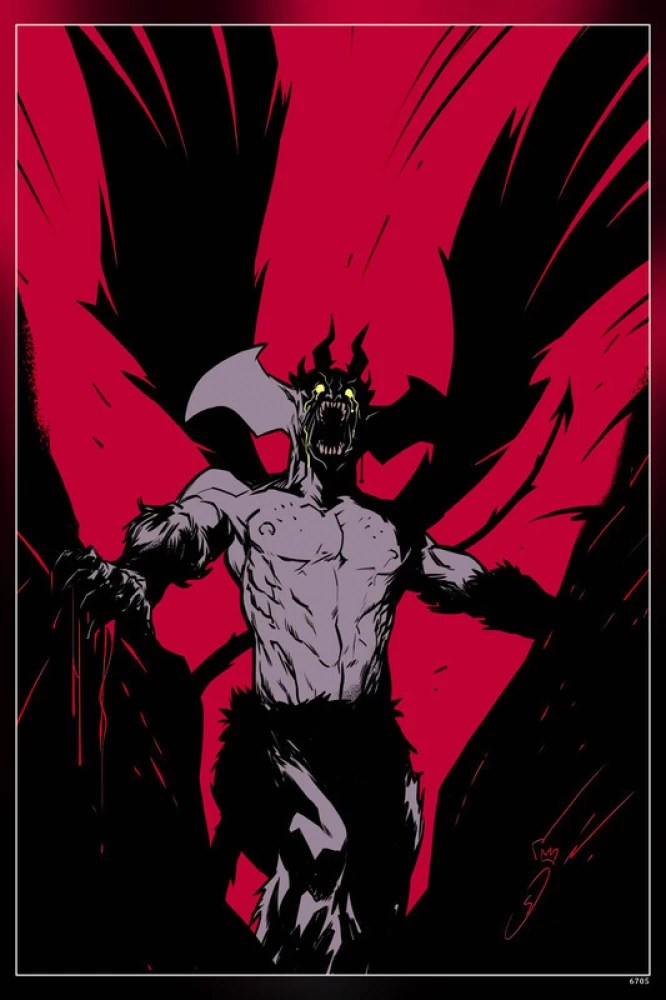
Nearly 50 years ago, on June 11th, 1972, illustrator and writer Go Nagai, known for his works on Cutie Honey, Mazinger Z, creating and shaping the super robot genre, and pioneering the magical girl genre, created a manga series for the Weekly Shōnen Magazine, a Japanese manga anthology. The series would tackle themes of ideological warfare, love, and the human condition, all with a distinct grotesque art style. This series, known as Devilman, would influence generations of creators to come, inspiring manga and anime series such as Berserk or Neon Genesis Evangelion, and even popular video game series such as Shin Megami Tensei. To this day, Devilman is still relevant in our current world, and maybe even more so now than it was in 1972.Both the dark tone and mature art style inspired many other manga creators and game designers. SNK, known for their work on games like King of Fighters and Fatal Fury, even had a character designer that admitted that the character Kyo Kusanagi was influenced by Devilman. Hideki Anno, director of the incredibly popular anime series Neon Genesis Evangelion notes that Evangelion Unit 01 (one of the mech suits in the show) was inspired by Devilman’s “scary facial expressions.” The game series Shin Megami Tensei, which is home to one of the most popular Japanese Role-Playing Game (JRPG) series Persona, is a demon-fighting and summoning series with a focus on ideologies not unlike Devilman. No matter where you go, it seems you can’t escape Devilman. He’s everywhere.
Personal Ramblings: Classics deserved to be respected even if you don’t like them. Something like the Last Judgement doesn’t shouldn’t be hated just because you didn’t pay attention in History Class. Shakespeare shouldn’t be called ‘mid’ just because you have the attention span of a 3 year old kid. You shouldn’t read Shakespeare if you think you wont be able to understand it, but you have no right to insult the art and the artist.

 Offensive Critic